
为胖人伸冤 肥胖≠懒惰
(单词翻译:单击)
Fat equals lazy?
|
Researchers at Yale University said the findings highlight the difficulty in tackling the stigma2 around obesity3. Many obese people complain that others believe they are overweight simply because they eat too much or fail to exercise. This is despite the fact that obesity can be caused by a variety of other factors, such as genes4 and environment. Dr Marlene Schwartz and colleagues carried out psychological tests on 389 professionals who treat and study obese people. They found that younger professionals, in particular, were most likely to have unfavourable stereotypes5 of obese people. Workers who did not deal directly with obese patients were also inclined to see them in an unfavourable light. "On both implicit6 and explicit7 measures, health professionals associated the stereotypes lazy, stupid and worthless with obese people," said Dr Schwartz. "The stigma of obesity is so strong that even those most knowledgeable8 about the condition infer that obese people have blameworthy behavioural characteristics that contribute to their problem, i.e. being lazy," she said. "Furthermore, these biases9 extend to core characteristics of intelligence and personal worth." Dr Ian Campbell of the UK's National Obesity Forum10 said he was not surprised by the findings and said they would probably be replicated11 if the test was carried out on British doctors. "It is disappointing but it is not surprising to see that health professionals have the same ingrained prejudice against obese people as the general public," he said. "It is becoming increasingly clear that as much as 80% of people who are obese are predisposed genetically13. "Although it is very rare to find a case where obesity is purely14 genetic12, there are many cases where it is not in the patient's control." He said it was unhelpful for doctors to be biased15 against obese patients. "It is important for doctors and other health professionals to show understanding and enthusiasm for change. "If a doctor is biased against the patient's efforts, then it is unlikely to have a good outcome."
|
研究表明:医生们错误的认为肥胖完全是因为懒惰,他们这样说是有罪的。 耶鲁大学的研究者们说该结果突出了一个问题——要解除肥胖带来的恶名不那么容易。 许多肥胖的人抱怨说别人都以为他们过度肥胖就是因为他们贪吃,或者是缺乏运动。 然而事实并非如此。造成肥胖的因素多种多样,例如基因和环境。 马琳·施瓦茨医生和他的同事对389名治疗和研究肥胖病人的医护人员进行了心理测试。 他们发现特别是一些较年轻的医护人员更容易对肥胖病人有偏见。 那些不直接和肥胖病人打交道的工作人员也倾向于对他们另眼相看。 “不管是用含蓄的还是直接的方式,医护人员总是将懒惰、愚蠢、无用和肥胖的人联系起来,”施瓦茨医生说。 她说:“肥胖的名声太坏,甚至那些健康知识非常渊博的人也推断肥胖患者是因为养成了不当的行为习惯,例如懒惰,才导致肥胖。” “而且,这些偏见扩大到智力和个人价值等核心特征。” 英国国家肥胖论坛的伊恩·坎贝尔医生说他对这样的发现并不感到惊讶,如果在英国医生中进行这样的测试,结果可能会雷同。 “医护人员和大众一样对肥胖病人有根深蒂固的偏见,这一发现让我们感到失望但并不出乎意料,”他说。 “现在越来越明显,将近80%的肥胖病人是受基因的影响。” “尽管很少发现肥胖完全是因为基因引起的,但是在许多病例中病人是无法控制发胖的。” 他说医生对肥胖病人有偏见是没有好处的。 “医生和其它医护人员应该理解和积极支持病人改变现状,这一点很重要。” “如果医生对病人的努力有偏见,那么就不太可能有好结果。” |
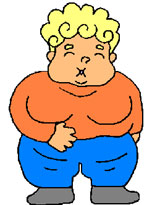 Doctors are guilty of wrongly believing that
  收听单词发音
 |
1
obese
|
|
| adj.过度肥胖的,肥大的 | |
参考例句: |
|
|
|
|
2
stigma
|
|
| n.耻辱,污名;(花的)柱头 | |
参考例句: |
|
|
|
|
3
obesity
|
|
| n.肥胖,肥大 | |
参考例句: |
|
|
|
|
4
genes
|
|
| n.基因( gene的名词复数 ) | |
参考例句: |
|
|
|
|
5
stereotypes
|
|
| n.老套,模式化的见解,有老一套固定想法的人( stereotype的名词复数 )v.把…模式化,使成陈规( stereotype的第三人称单数 ) | |
参考例句: |
|
|
|
|
6
implicit
|
|
| a.暗示的,含蓄的,不明晰的,绝对的 | |
参考例句: |
|
|
|
|
7
explicit
|
|
| adj.详述的,明确的;坦率的;显然的 | |
参考例句: |
|
|
|
|
8
knowledgeable
|
|
| adj.知识渊博的;有见识的 | |
参考例句: |
|
|
|
|
9
biases
|
|
| 偏见( bias的名词复数 ); 偏爱; 特殊能力; 斜纹 | |
参考例句: |
|
|
|
|
10
forum
|
|
| n.论坛,讨论会 | |
参考例句: |
|
|
|
|
11
replicated
|
|
| 复制( replicate的过去式和过去分词 ); 重复; 再造; 再生 | |
参考例句: |
|
|
|
|
12
genetic
|
|
| adj.遗传的,遗传学的 | |
参考例句: |
|
|
|
|
13
genetically
|
|
| adv.遗传上 | |
参考例句: |
|
|
|
|
14
purely
|
|
| adv.纯粹地,完全地 | |
参考例句: |
|
|
|
|
15
biased
|
|
| a.有偏见的 | |
参考例句: |
|
|
|
- 上一篇:睡眠质量高,单词记得牢
- 下一篇:研究表明:穿高跟鞋跟关节炎无关


