
George Washington - Prevents the Revolt of his Officers (178
(单词翻译:单击)
At the close of the Revolutionary War in America, a perilous1 moment in the life of the fledgling American democracy occurred as officers of the Continental2 Army met in Newburgh, New York, to discuss grievances3 and consider a possible insurrection against the rule of Congress.
They were angry over the failure of Congress to honor its promises to the army regarding salary, bounties4 and life pensions. The officers had heard from Philadelphia that the American government was going broke and that they might not be compensated5 at all.
On March 10, 1783, an anonymous6 letter was circulated among the officers of General Washington's main camp at Newburgh. It addressed those complaints and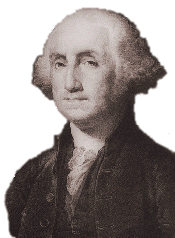 called for an unauthorized meeting of officers to be held the next day to consider possible military solutions to the problems of the civilian7 government and its financial woes8.
General Washington stopped that meeting from happening by forbidding the officers to meet at the unauthorized meeting. Instead, he suggested they meet a few days later, on March 15th, at the regular meeting of his officers.
Meanwhile, another anonymous letter was circulated, this time suggesting Washington himself was sympathetic to the claims of the malcontent9 officers.
And so on March 15, 1783, Washington's officers gathered in a church building in Newburgh, effectively holding the fate of democracy in America in their hands.
Unexpectedly, General Washington himself showed up. He was not entirely10 welcomed by his men, but nevertheless, personally addressed them...

Gentlemen:
By an anonymous summons, an attempt has been made to convene11 you together; how inconsistent with the rules of propriety12, how unmilitary, and how subversive13 of all order and discipline, let the good sense of the army decide...Thus much, gentlemen, I have thought it incumbent14 on me to observe to you, to show upon what principles I opposed the irregular and hasty meeting which was proposed to have been held on Tuesday last - and not because I wanted a disposition15 to give you every opportunity consistent with your own honor, and the dignity of the army, to make known your grievances. If my conduct heretofore has not evinced to you that I have been a faithful friend to the army, my declaration of it at this time would be equally unavailing and improper16. But as I was among the first who embarked17 in the cause of our common country. As I have never left your side one moment, but when called from you on public duty. As I have been the constant companion and witness of your distresses19, and not among the last to feel and acknowledge your merits. As I have ever considered my own military reputation as inseparably connected with that of the army. As my heart has ever expanded with joy, when I have heard its praises, and my indignation has arisen, when the mouth of detraction20 has been opened against it, it can scarcely be supposed, at this late stage of the war, that I am indifferent to its interests.
But how are they to be promoted? The way is plain, says the anonymous addresser. If war continues, remove into the unsettled country, there establish yourselves, and leave an ungrateful country to defend itself. But who are they to defend? Our wives, our children, our farms, and other property which we leave behind us. Or, in this state of hostile separation, are we to take the two first (the latter cannot be removed) to perish in a wilderness21, with hunger, cold, and nakedness? If peace takes place, never sheathe22 your swords, says he, until you have obtained full and ample justice; this dreadful alternative, of either deserting our country in the extremest hour of her distress18 or turning our arms against it (which is the apparent object, unless Congress can be compelled into instant compliance), has something so shocking in it that humanity revolts at the idea. My God! What can this writer have in view, by recommending such measures? Can he be a friend to the army? Can he be a friend to this country? Rather, is he not an insidious23 foe24? Some emissary, perhaps, from New York, plotting the ruin of both, by sowing the seeds of discord25 and separation between the civil and military powers of the continent? And what a compliment does he pay to our understandings when he recommends measures in either alternative, impracticable in their nature?
I cannot, in justice to my own belief, and what I have great reason to conceive is the intention of Congress, conclude this address, without giving it as my decided26 opinion, that that honorable body entertain exalted27 sentiments of the services of the army; and, from a full conviction of its merits and sufferings, will do it complete justice. That their endeavors to discover and establish funds for this purpose have been unwearied, and will not cease till they have succeeded, I have not a doubt. But, like all other large bodies, where there is a variety of different interests to reconcile, their deliberations are slow. Why, then, should we distrust them? And, in consequence of that distrust, adopt measures which may cast a shade over that glory which has been so justly acquired; and tarnish28 the reputation of an army which is celebrated29 through all Europe, for its fortitude30 and patriotism31? And for what is this done? To bring the object we seek nearer? No! most certainly, in my opinion, it will cast it at a greater distance.
For myself (and I take no merit in giving the assurance, being induced to it from principles of gratitude32, veracity33, and justice), a grateful sense of the confidence you have ever placed in me, a recollection of the cheerful assistance and prompt obedience34 I have experienced from you, under every vicissitude35 of fortune, and the sincere affection I feel for an army I have so long had the honor to command will oblige me to declare, in this public and solemn manner, that, in the attainment36 of complete justice for all your toils37 and dangers, and in the gratification of every wish, so far as may be done consistently with the great duty I owe my country and those powers we are bound to respect, you may freely command my services to the utmost of my abilities.
While I give you these assurances, and pledge myself in the most unequivocal manner to exert whatever ability I am possessed38 of in your favor, let me entreat39 you, gentlemen, on your part, not to take any measures which, viewed in the calm light of reason, will lessen40 the dignity and sully the glory you have hitherto maintained; let me request you to rely on the plighted41 faith of your country, and place a full confidence in the purity of the intentions of Congress; that, previous to your dissolution as an army, they will cause all your accounts to be fairly liquidated42, as directed in their resolutions, which were published to you two days ago, and that they will adopt the most effectual measures in their power to render ample justice to you, for your faithful and meritorious43 services. And let me conjure44 you, in the name of our common country, as you value your own sacred honor, as you respect the rights of humanity, and as you regard the military and national character of America, to express your utmost horror and detestation of the man who wishes, under any specious45 pretenses46, to overturn the liberties of our country, and who wickedly attempts to open the floodgates of civil discord and deluge47 our rising empire in blood.
By thus determining and thus acting48, you will pursue the plain and direct road to the attainment of your wishes. You will defeat the insidious designs of our enemies, who are compelled to resort from open force to secret artifice49. You will give one more distinguished50 proof of unexampled patriotism and patient virtue51, rising superior to the pressure of the most complicated sufferings. And you will, by the dignity of your conduct, afford occasion for posterity52 to say, when speaking of the glorious example you have exhibited to mankind, "Had this day been wanting, the world had never seen the last stage of perfection to which human nature is capable of attaining53."
George Washington - March 15, 1783
 收听单词发音
 |
1
perilous
|
|
| adj.危险的,冒险的 | |
参考例句: |
|
|
|
|
2
continental
|
|
| adj.大陆的,大陆性的,欧洲大陆的 | |
参考例句: |
|
|
|
|
3
grievances
|
|
| n.委屈( grievance的名词复数 );苦衷;不满;牢骚 | |
参考例句: |
|
|
|
|
4
bounties
|
|
| (由政府提供的)奖金( bounty的名词复数 ); 赏金; 慷慨; 大方 | |
参考例句: |
|
|
|
|
5
compensated
|
|
| 补偿,报酬( compensate的过去式和过去分词 ); 给(某人)赔偿(或赔款) | |
参考例句: |
|
|
|
|
6
anonymous
|
|
| adj.无名的;匿名的;无特色的 | |
参考例句: |
|
|
|
|
7
civilian
|
|
| adj.平民的,民用的,民众的 | |
参考例句: |
|
|
|
|
8
woes
|
|
| 困境( woe的名词复数 ); 悲伤; 我好苦哇; 某人就要倒霉 | |
参考例句: |
|
|
|
|
9
malcontent
|
|
| n.不满者,不平者;adj.抱不平的,不满的 | |
参考例句: |
|
|
|
|
10
entirely
|
|
| ad.全部地,完整地;完全地,彻底地 | |
参考例句: |
|
|
|
|
11
convene
|
|
| v.集合,召集,召唤,聚集,集合 | |
参考例句: |
|
|
|
|
12
propriety
|
|
| n.正当行为;正当;适当 | |
参考例句: |
|
|
|
|
13
subversive
|
|
| adj.颠覆性的,破坏性的;n.破坏份子,危险份子 | |
参考例句: |
|
|
|
|
14
incumbent
|
|
| adj.成为责任的,有义务的;现任的,在职的 | |
参考例句: |
|
|
|
|
15
disposition
|
|
| n.性情,性格;意向,倾向;排列,部署 | |
参考例句: |
|
|
|
|
16
improper
|
|
| adj.不适当的,不合适的,不正确的,不合礼仪的 | |
参考例句: |
|
|
|
|
17
embarked
|
|
| 乘船( embark的过去式和过去分词 ); 装载; 从事 | |
参考例句: |
|
|
|
|
18
distress
|
|
| n.苦恼,痛苦,不舒适;不幸;vt.使悲痛 | |
参考例句: |
|
|
|
|
19
distresses
|
|
| n.悲痛( distress的名词复数 );痛苦;贫困;危险 | |
参考例句: |
|
|
|
|
20
detraction
|
|
| n.减损;诽谤 | |
参考例句: |
|
|
|
|
21
wilderness
|
|
| n.杳无人烟的一片陆地、水等,荒漠 | |
参考例句: |
|
|
|
|
22
sheathe
|
|
| v.(将刀剑)插入鞘;包,覆盖 | |
参考例句: |
|
|
|
|
23
insidious
|
|
| adj.阴险的,隐匿的,暗中为害的,(疾病)不知不觉之间加剧 | |
参考例句: |
|
|
|
|
24
foe
|
|
| n.敌人,仇敌 | |
参考例句: |
|
|
|
|
25
discord
|
|
| n.不和,意见不合,争论,(音乐)不和谐 | |
参考例句: |
|
|
|
|
26
decided
|
|
| adj.决定了的,坚决的;明显的,明确的 | |
参考例句: |
|
|
|
|
27
exalted
|
|
| adj.(地位等)高的,崇高的;尊贵的,高尚的 | |
参考例句: |
|
|
|
|
28
tarnish
|
|
| n.晦暗,污点;vt.使失去光泽;玷污 | |
参考例句: |
|
|
|
|
29
celebrated
|
|
| adj.有名的,声誉卓著的 | |
参考例句: |
|
|
|
|
30
fortitude
|
|
| n.坚忍不拔;刚毅 | |
参考例句: |
|
|
|
|
31
patriotism
|
|
| n.爱国精神,爱国心,爱国主义 | |
参考例句: |
|
|
|
|
32
gratitude
|
|
| adj.感激,感谢 | |
参考例句: |
|
|
|
|
33
veracity
|
|
| n.诚实 | |
参考例句: |
|
|
|
|
34
obedience
|
|
| n.服从,顺从 | |
参考例句: |
|
|
|
|
35
vicissitude
|
|
| n.变化,变迁,荣枯,盛衰 | |
参考例句: |
|
|
|
|
36
attainment
|
|
| n.达到,到达;[常pl.]成就,造诣 | |
参考例句: |
|
|
|
|
37
toils
|
|
| 网 | |
参考例句: |
|
|
|
|
38
possessed
|
|
| adj.疯狂的;拥有的,占有的 | |
参考例句: |
|
|
|
|
39
entreat
|
|
| v.恳求,恳请 | |
参考例句: |
|
|
|
|
40
lessen
|
|
| vt.减少,减轻;缩小 | |
参考例句: |
|
|
|
|
41
plighted
|
|
| vt.保证,约定(plight的过去式与过去分词形式) | |
参考例句: |
|
|
|
|
42
liquidated
|
|
| v.清算( liquidate的过去式和过去分词 );清除(某人);清偿;变卖 | |
参考例句: |
|
|
|
|
43
meritorious
|
|
| adj.值得赞赏的 | |
参考例句: |
|
|
|
|
44
conjure
|
|
| v.恳求,祈求;变魔术,变戏法 | |
参考例句: |
|
|
|
|
45
specious
|
|
| adj.似是而非的;adv.似是而非地 | |
参考例句: |
|
|
|
|
46
pretenses
|
|
| n.借口(pretense的复数形式) | |
参考例句: |
|
|
|
|
47
deluge
|
|
| n./vt.洪水,暴雨,使泛滥 | |
参考例句: |
|
|
|
|
48
acting
|
|
| n.演戏,行为,假装;adj.代理的,临时的,演出用的 | |
参考例句: |
|
|
|
|
49
artifice
|
|
| n.妙计,高明的手段;狡诈,诡计 | |
参考例句: |
|
|
|
|
50
distinguished
|
|
| adj.卓越的,杰出的,著名的 | |
参考例句: |
|
|
|
|
51
virtue
|
|
| n.德行,美德;贞操;优点;功效,效力 | |
参考例句: |
|
|
|
|
52
posterity
|
|
| n.后裔,子孙,后代 | |
参考例句: |
|
|
|
|
53
attaining
|
|
| (通常经过努力)实现( attain的现在分词 ); 达到; 获得; 达到(某年龄、水平、状况) | |
参考例句: |
|
|
|
- 上一篇:George Graham Vest - Tribute to Dogs (c. 1855)
- 下一篇:Elie Wiesel - The Perils of Indifference (1999)


